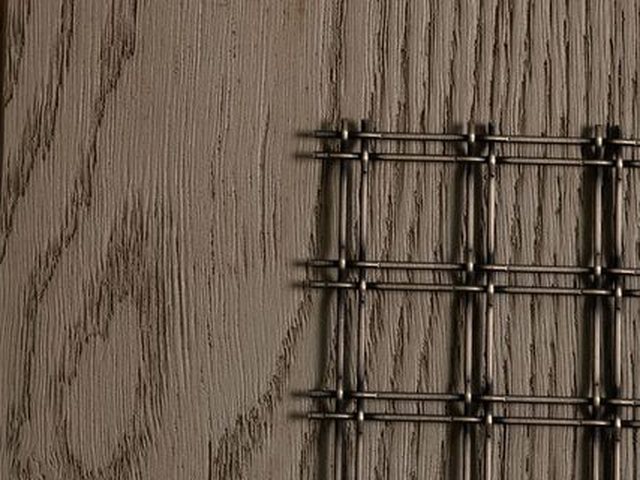
Species
The timber and its grade
Every surface starts from the same species, graded to the same brief: how many knots, how much colour variation, which edge. It stops a rustic floor ending up beside a clean veneer.
Designers often ask us for matching floors, wall panels and doors. What they want is timber that belongs together. We carry the same species, brushing, gloss and coating across every surface, with tones chosen to complement each other, all prefinished at the mill.
On most hotel fit-outs, each timber surface comes from a different supplier. The floor is oiled, the wall panels are stained and lacquered, the doors arrive in a semi-gloss veneer, and the joinery shop sprays its own clear coat.
Each one is fine on its own. Side by side, they read as four products. The coating changes how much light comes back, the brushing changes how the grain feels, and the tone drifts between batches, and between solid boards and thin veneers.
Fixing it on site means staining and recoating in a building that's meant to be finished. It rarely works, and it's never quick.
The timber and its grade
Every surface starts from the same species, graded to the same brief: how many knots, how much colour variation, which edge. It stops a rustic floor ending up beside a clean veneer.
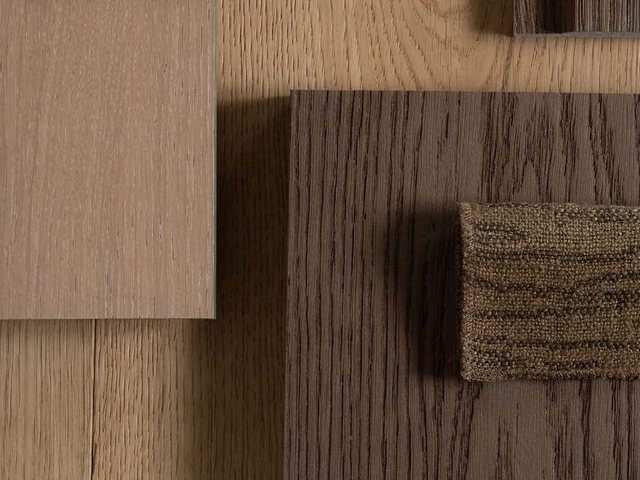
Colour and undertone
Oak drifts warm or cool from batch to batch, and stain takes differently on a solid board than on a thin veneer. We set the tone from a master sample and measure every batch against it with a colour meter.
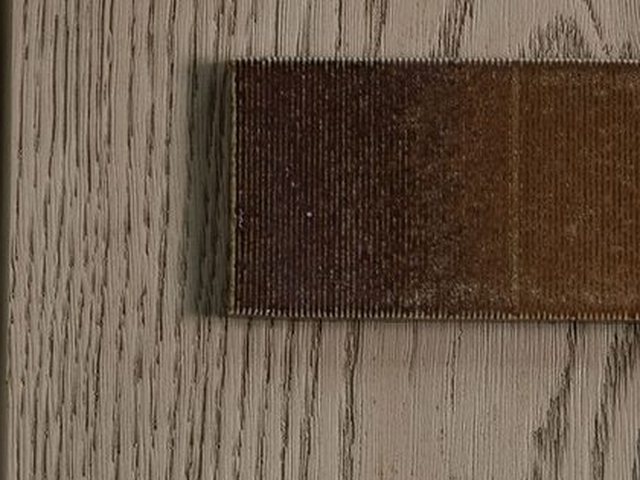
Brushing and surface feel
Brushing takes out the soft grain and leaves the hard grain standing. A floorboard can take a deep brush, but a 0.6 mm veneer can't, so where they sit together we brush both to a depth the veneer can hold.
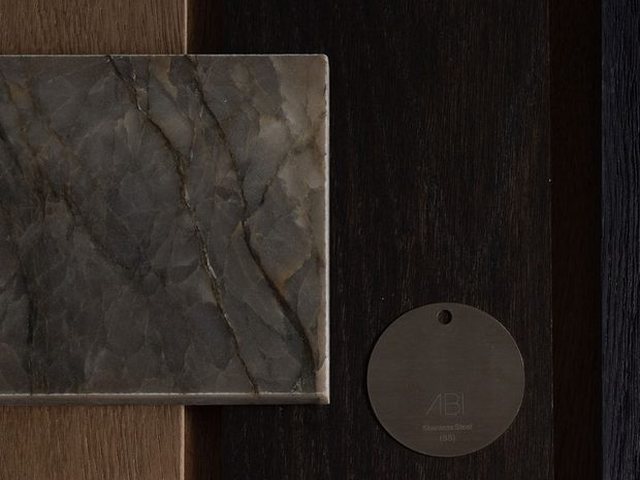
How much light the surface returns
A matt floor beside a satin door reads as two products, even in the same colour. Floor finishes and furniture lacquers are different chemistry, so we set the gloss level for both and check it with a gloss meter.
One finish doesn't mean one colour. A dark herringbone floor can sit under pale panelling and still belong, because the species, brushing, gloss and coating are shared.
We choose the tones with your designer so they work together, then hold everything else constant. At Roki Collection in Queenstown, the floors come in two tones from one collection. At The Foundation, herringbone and wide plank share one oak collection.
Every surface arrives finished. Nothing is stained, oiled or coated on site, so what you approve as a sample is what's installed.
Our standard is an extra matt lacquer, the finish our team has specified on hotel, lodge and residential projects for years through Forté, our sister company. It means one coating and one care guide for the whole building. Our guide to hardwax oil or lacquer explains why mixing coatings causes most of the trouble.
Yes. Send the specification and samples. We match species, grade, size, colour tone, texture and gloss, then make master samples for you to sign off.
They'll look like they belong together. A solid oak floorboard and a 0.6 mm veneer take stain and brushing differently, so we adjust each product until the tone, texture and gloss read as one family. The signed master samples are the reference for every batch.
Floors, wall and ceiling panelling, doors and frames, stairs, beams, skirtings and architraves, and joinery such as vanities, wardrobes and reception desks.
Master samples stay at each mill, and every batch is checked against them for colour, gloss and moisture. Later stages and refurbishment stock are made to the same samples.
Send the finish schedule or a few samples. We'll show you how each surface can carry the same finish.
Send your schedule